Designing resilient cloud platforms that ship faster and fail safer
Outcome-driven work across DevOps, cloud infrastructure, and platform engineering — positioned for DevOps Engineer and Cloud Engineer roles.
Production Homelab Infrastructure
3-node K3s cluster with GitOps, observability, and enterprise-grade storage
Infrastructure
Proxmox Host
Ryzen 9 7900x
64GB RAM
4TB NVMe SSD
RTX 5070
NFS Storage
2x 2TB NVMe
ZFS RAID1 Mirror
Persistent Volumes
K3s Cluster
3-Node Cluster
GitOps
ArgoCD
App-of-Apps Pattern
Declarative Config
Ingress
Traefik
Cloudflare Tunnel
*.daltonbuilds.com
Services
Observability
Prometheus
Grafana
Alertmanager
Uptime Kuma
Applications
n8n Workflows
PostgreSQL
ArgoCD UI
Data Layer
PostgreSQL
Persistent Storage
NFS Backed
Why DevOps?
> From building products to building the platforms that power them
After years of building applications and solving technical problems, I realized my passion lies in the infrastructure layer—the systems that enable teams to ship faster, fail safer, and scale reliably.
I'm drawn to DevOps because it combines my love for automation, system design, and operational excellence. Whether it's designing CI/CD pipelines, implementing observability, or managing Kubernetes clusters, I thrive on making infrastructure invisible so teams can focus on delivering value.
My homelab isn't just a learning environment—it's where I practice the same disciplines I want to bring to a production team: GitOps workflows, infrastructure as code, monitoring, and continuous improvement.
Featured Projects
> Real-world implementations demonstrating cloud architecture, DevOps practices, and full-stack development
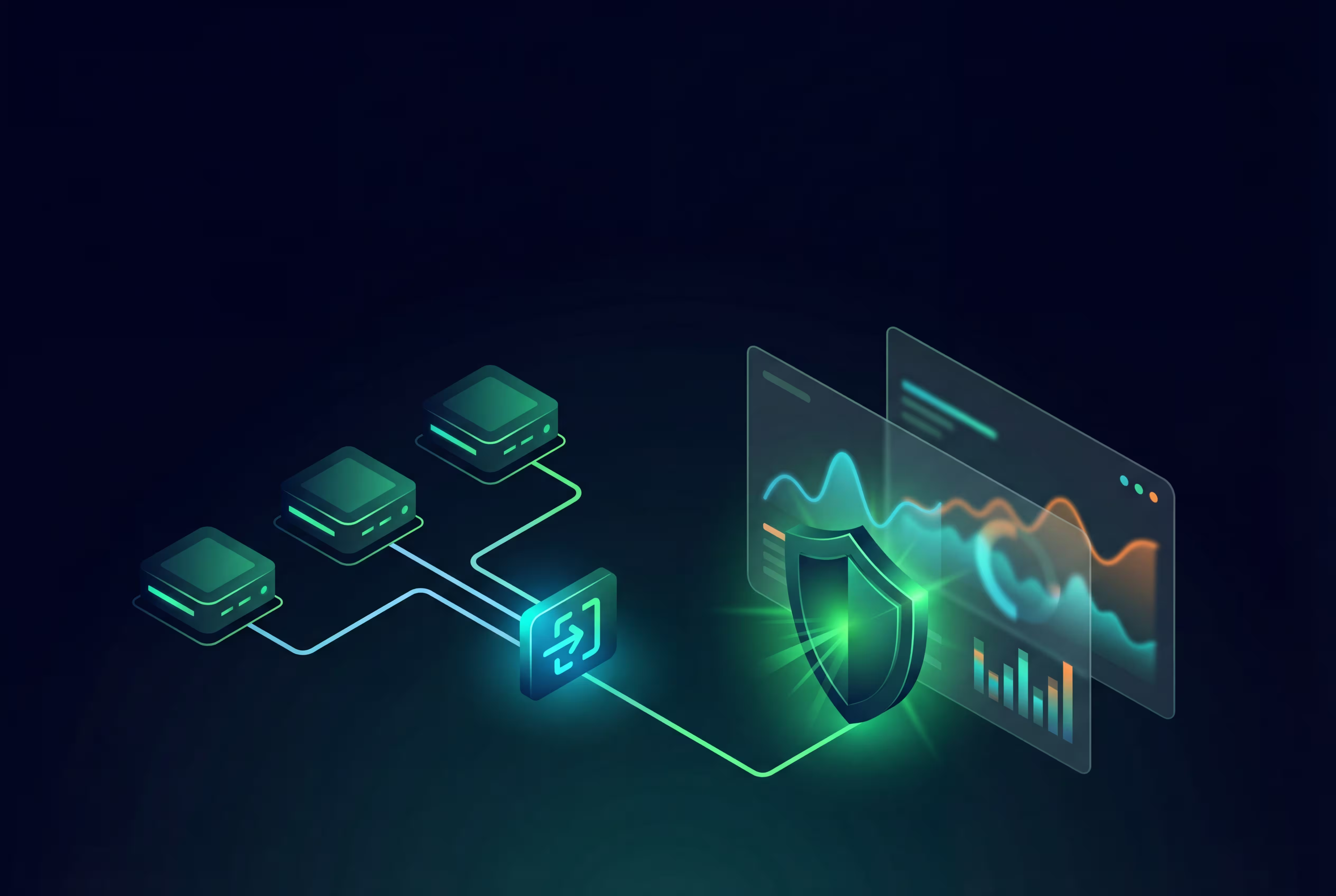
Building a 3-node k3s homelab from scratch with GitOps, monitoring, and secure Cloudflare Zero Trust access plus real troubleshooting lessons learned.
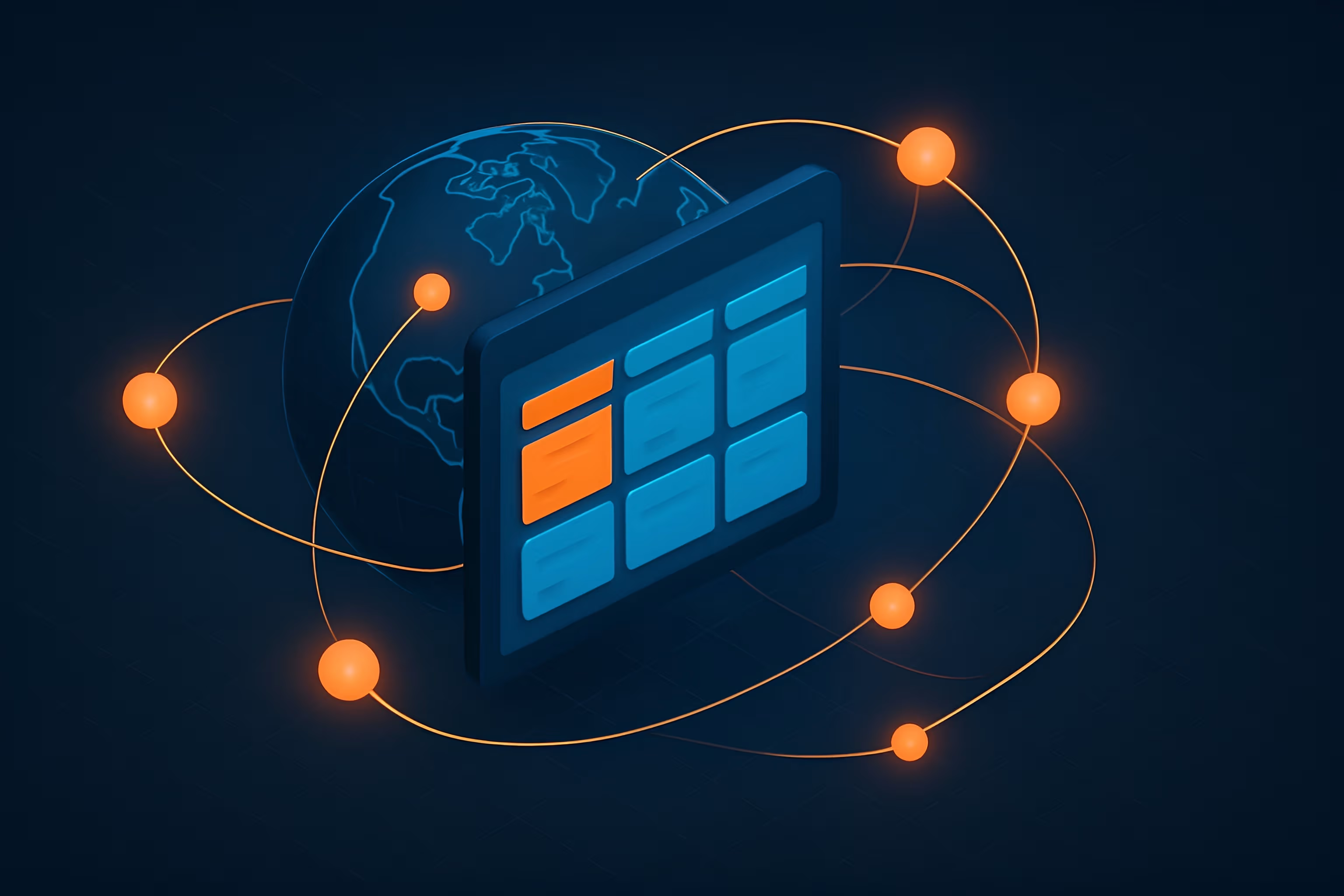
Building a production task manager on Cloudflare Workers with Terraform, D1, and Zero Trust auth. Real-world problems, solutions, and IaC lessons.
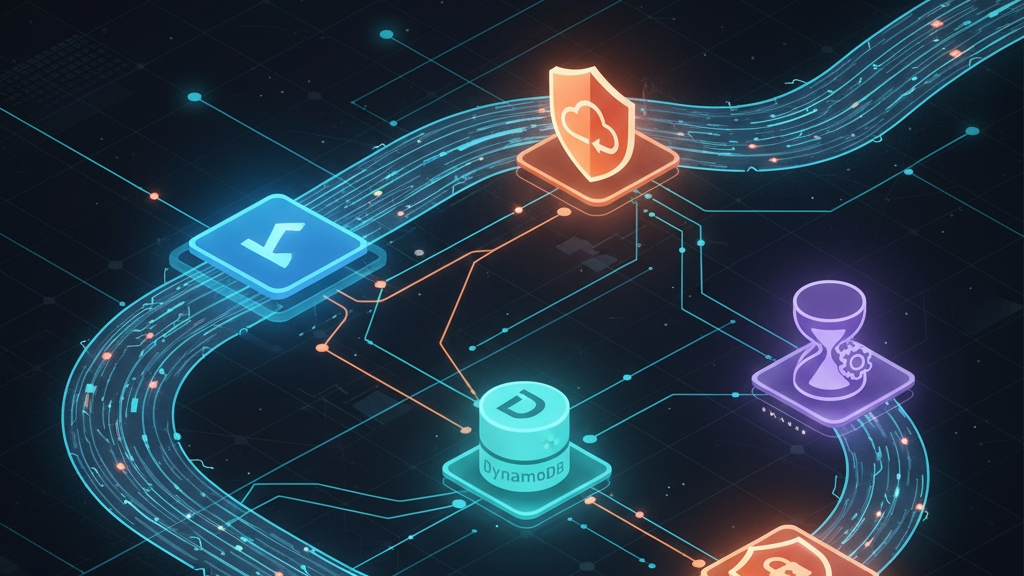
React Form with AWS Backend
As part of my ongoing Cloud Engineering journey, I recently decided to replace a simple embedded contact form on my website with a custom React form backed by AWS services.
My DevOps Journey
From scattered knowledge to production-ready cloud infrastructure
Foundations — Learning & Pivot
Foundations — Learning & Pivot
Problem: I wanted to move into Cloud/DevOps, but my experience and knowledge were scattered across IT, self-study, and side projects.
Approach: Built a structured learning path around Linux, networking, containers, and scripting, with daily hands-on labs instead of just videos.
Outcome: Strong fundamentals in Linux, the OSI model, and shell tooling—enough to debug real systems, not just pass quizzes.
Architect Mindset — Google PCA
Architect Mindset — Google PCA
Problem: I needed more than "how to click in the console"—I wanted to understand how to design secure, scalable systems end-to-end.
Approach: Went deep into Google Cloud architecture: IAM, networking, storage, and resilience patterns. Worked through case studies and built small reference architectures.
Outcome: Passed the Google Professional Cloud Architect exam and gained confidence designing multi-tier, secure cloud solutions.
Platform Thinking — Homelab & GitOps
Platform Thinking — Homelab & GitOps
Problem: I wanted a place to experiment with "real" infrastructure—Kubernetes, GitOps, observability—without running up a massive cloud bill.
Approach: Built a Proxmox-backed homelab running a multi-node k3s cluster, wired up GitOps with ArgoCD, storage, ingress, and monitoring.
Outcome: Production-like environment where I run real services, practice upgrades, troubleshoot failures, and treat infra as code.
Product Thinking — Building Real Applications
Product Thinking — Building Real Applications
Problem: I needed to demonstrate end-to-end ownership—from design and development to deployment and operations—across diverse technical stacks.
Approach: Built and deployed production applications including an AI-powered knowledge management system, serverless lead capture with AWS Lambda/DynamoDB, and a task management platform—each showcasing different cloud-native patterns.
Outcome: Portfolio of working applications that demonstrate my ability to design, build, deploy, and operate real products end-to-end across multiple cloud platforms.
Technical Skills
> Core competencies for DevOps and cloud engineering roles
Development Philosophy
> My approach to building systems that work in the real world
Hands-on Learning
I learn by building real projects and solving actual problems
Customer-First Mindset
Every technical decision serves a business purpose and customer need
Core Principles
Simple, measurable, automated solutions that scale effectively
Operating Principles
> The convictions that shape how I build and operate infrastructure
Everything as Code
If it can't be reviewed in a PR, it doesn't exist. Infrastructure, configuration, and pipelines are versioned, auditable, and repeatable.
Observability First
A system you can't see inside isn't reliable — it's just lucky. Metrics, logs, and traces are requirements, not enhancements.
Automate the Toil, Own the Complexity
Automation isn't an escape from understanding. Know what your pipelines are doing and why.
Recover Faster Than You Fail
MTTR matters more than MTBF. Design for recovery, not just prevention. Runbooks, rollbacks, and chaos testing aren't optional.
Security Is Day One
Retrofitting security is expensive and painful. RBAC, secrets management, and network policies belong in the initial design, not the last sprint.
Treat the Homelab Like Production
The habits built in low-stakes environments follow you into high-stakes ones. Real runbooks, real monitoring, real discipline.
Let's build something reliable together
If you're working on infrastructure that matters and want to connect, I'd love to hear about it.